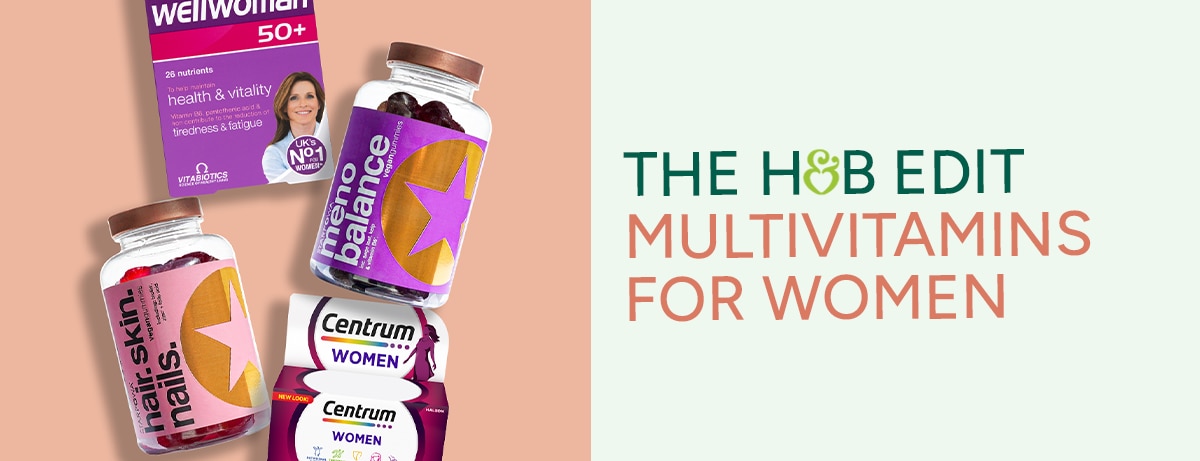
Looking for a multivit? We’ve rounded up our best multivitamins for women, packed with the things you need to support energy, immunity and overall wellbeing
Our top picks
B6 and vitamin D
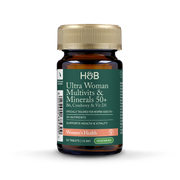
Holland & Barrett
Holland & Barrett Ultra Woman 50+ 30 Tablets
3 for 2 Mix & Match
€12.99
With B vitamins
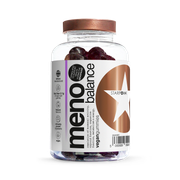
Starpowa
Starpowa Meno Balance 60 Gummies
Buy 1 Get 1 Free
18+
€51.99
26 vitamins
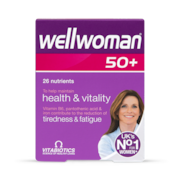
Vitabiotics
Vitabiotics Wellwoman 50+ 30 Tablets
3 for 2 Mix & Match
€19.49
In an ideal world, we’d all get the nutrients we need from our diet – but this isn’t always the case for everyone. Colourful, plant-packed meals are the way to go – but everyone’s nutritional needs are different and sometimes we might need a little extra help. Women and some AFAB (assigned female at birth) folk in particular can have specific nutritional needs that vary based on age, health goals and lifestyle: think iron to support heavy periods, calcium in postmenopause or folic acid if you’re trying to conceive.1
This is where a multivitamin could be useful – but they’re not one-size-fits-all. So where to begin? We’ll help you find the women’s multivit to fit what you’re looking for...
Vitamin D is essential for bone health because it helps your body absorb calcium.2 Women, especially those over 50, need sufficient vitamin D (and calcium) to help reduce the loss of bone mineral in post-menopausal women. Low bone mineral density is a risk factor for osteoporosis-related bone fractures.3,4 Beyond bone health, vitamin D helps support your immune system, and the NHS recommends that all adults, including those who are pregnant or breastfeeding, take 10µg of vitamin D daily.2,5
Calcium is another key player in bone health. It works with vitamin D to reduce the loss of bone mineral in postmenopausal women.6 It’s also supports healthy teeth, muscle function, nerve signalling and normal blood clotting.2,7 Women aged 19–64 should aim for 700mg of calcium per day, and anyone breastfeeding needs 1,250mg daily.8,9
Iron is crucial for the formation of red blood cells, plus haemoglobin which carries oxygen in your blood.2 If you have a period, you may need more iron due to the blood you lose. In addition, getting enough iron can support normal cognitive function and reduce tiredness and fatigue.2,12
Women aged 19-49 need 14.8mg of iron daily, while those 50 and over need 8.7mg. If you experience heavy periods, you may be at higher risk of anaemia and might want to consider iron supplements (with your GP’s approval).1 Speak to your doctor if you think you have anaemia as you may require a specific prescribed dose of iron.13
You’ve heard of folic acid, or maybe folate – but they’re slightly different from each other. They’re both a B vitamin (sometimes, but not often, called B9). However, folate’s found naturally in foods like spinach and kale, while folic acid is the man-made version often found in supplements.13
Both are particularly important during pregnancy and pre-conception. Folate supports maternal growth tissues during pregnancy, and supplemental folic acid intake increases maternal folate status. Low maternal folate status is a risk factor in the development of neural tube defects in the developing foetus.1 Folate also supports cell division, red blood cell formation and psychological function. 1,14 The NHS recommends you take folic acid supplements if you’re pregnant or trying for a baby until you’re 12 weeks pregnant.15 There are no long-term stores in the body, so you need to eat folate-containing foods frequently. Most people should be able to get the amount of folate they need by eating a varied and balanced diet.16
Our top women’s multivitamins
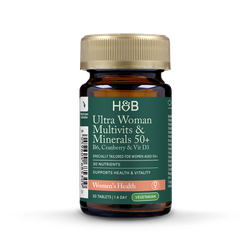
We all know about the big names like vitamin C – but what about the lesser-known minerals who get left behind? Our Ultra Woman 50+ formula remembers everything so you don’t have to: zinc to support normal fertility and cognitive health, manganese for the maintenance of normal bones and chromium to support normal blood glucose levels.20 As well as your vitamins and minerals, there’s a botanical blend of green tea leaf extract, cranberry extract and grape vine seed extract. Together, you’ll get an expertly formulated blend designed for women over 50.
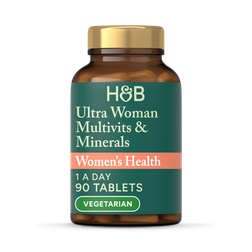
Delivering 23 vitamins and minerals, this multivit is more than a one-trick pony. Holland & Barrett Ultra Woman is designed to support women’s health, immunity and vitality with muscle-supporting magnesium and calcium, energy-supporting B vitamins and zinc for hair and skin health to name just a few.
As one of our H&B nutritionists put it: “Specially formulated by our in-house nutrition experts, Ultra Woman is tailor-made to give nutritional support to women at every life stage. Each tablet combines nutrients in one simple, effective formula. It’s just another way we can show our passion for women’s health”.
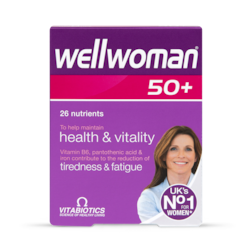
Say hello to wellness at 50 and beyond. Formulated to support the unique nutritional needs of women over 50, Vitabiotics offers a smart blend of 26 vitamins, minerals plus green tea and lutein. From zinc and vitamin C to B6 and B12, it’s all in there to help support your health and vitality. Take one tablet each day with water, ideally on a full stomach.
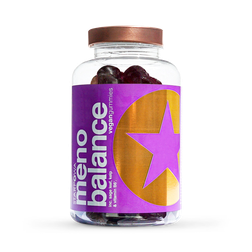
Meet your new menopause sidekick: a gentle (and delicious) way to support your body through your menopause journey. With a juicy and soothing blackcurrant flavour, these gummies are as tasty as they are supportive. They combine a thoughtful blend of organic kelp, sage leaf and soya isoflavones with essential vitamins and minerals: vitamin B6 help contribute to normal hormonal activity, iodine supports thyroid health and vitamin B12 is here to provide energy support all in two gummies per day.
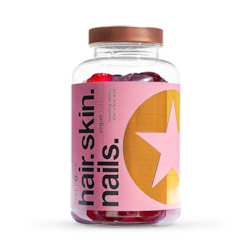
Your hair, skin and nails can help you feel like ‘you’ – and with a little extra care, you can help keep them healthy. That’s where these fruity little gems come in. Bursting with vitamins and minerals like biotin, zinc and vitamin C, they’re designed to help you nourish your natural glow. Biotin helps support healthy hair and skin, zinc helps keep nails strong and skin happy and vitamin C helps your body produce collagen (the most abundant protein in the human body).20 And the best part? They taste amazing and are vegan. No tablets, no fuss – just take two gummies per day.
The final say
Have you found your daily dose of you’ve got this? Whether you're powering through your twenties, embracing your eighties or rocking every age in between, a multivitamin can be a small-but-mighty step towards looking after your nutrition. Head over to our guide on perimenopause supplements for energy and mood or discover must-have products from female-owned brands for some goodies that are making a difference...
Disclaimer – This article provides informational advice and is not a substitute for medical care. Working with experts for accuracy, we take great care to ensure the information is up-to-date and relevant. However, you should always consult your GP or healthcare professional before using supplements or alternative products, particularly if you have medical conditions or are under supervision.
1. NHS. Iron [Internet]. NHS [reviewed 2020 Aug 3; cited 2026 Mar 2]. Available from: https://www.nhs.uk/conditions/vitamins-and-minerals/iron/
2 . EU Register of Health Claims [Internet]. [cited 2024 May 24]. Available from: https://ec.europa.eu/food/food-feed-portal/screen/health-claims/eu-register
3. NHS. Osteoporosis - Causes [Internet]. NHS [cited 2024 May 24]. Available from: https://www.nhs.uk/conditions/osteoporosis/causes
4. Office of Dietary Supplements. Vitamin D: Fact sheet for health professionals [Internet]. Office of Dietary Supplements [cited 2024 May 24]. Available from: https://ods.od.nih.gov/factsheets/VitaminD-HealthProfessional
5. NHS. Vitamin D - Vitamins and minerals [Internet]. NHS [cited 2024 May 24]. Available from: https://www.nhs.uk/conditions/vitamins-and-minerals/vitamin-d
6. EU Register of Health Claims [Internet].[cited 2026 Feb 24]. Available from: https://ec.europa.eu/food/food-feed-portal/screen/health-claims/eu-register/details/POL-HC-6202
7. Office of Dietary Supplements – Calcium: Fact sheet for health professionals [Internet]. Office of Dietary Supplements [cited 2024 May 24]. Available from: https://ods.od.nih.gov/factsheets/Calcium-HealthProfessional
8. NHS. Vitamins and minerals - Calcium [Internet]. NHS [cited 2024 May 24]. Available from: https://www.nhs.uk/conditions/vitamins-and-minerals/calcium
9. British Nutrition Foundation. Nutrition requirements [Internet]. [cited 2024 May 24]. Available from: https://www.nutrition.org.uk/media/nmmewdug/nutrition-requirements.pdf
10. Coeliac UK. A guide to calcium. [Internet]. [cited 2024 Jul 11]. Available from: https://www.coeliac.org.uk/document-library/141-a-guide-to-calcium/
11. NHS. Iron deficiency anaemia [Internet]. [cited 2024 May 24]. Available from: https://www.nhs.uk/conditions/iron-deficiency-anaemia
12. Office of Dietary Supplements – Iron: Fact sheet for health professionals [Internet]. [cited 2024 May 24]. Available from: https://ods.od.nih.gov/factsheets/Iron-HealthProfessional
13. Office of Dietary Supplements – Folate: Fact sheet for health professionals [Internet]. [cited 2024 May 24]. Available from: https://ods.od.nih.gov/factsheets/Folate-HealthProfessional
14. NHS. How and when to take folic acid [Internet]. nhs.uk. 2022. Available from: https://www.nhs.uk/medicines/folic-acid/how-and-when-to-take-folic-acid/
15. NHS. About folic acid [Internet]. NHS [cited 2026 Feb 24; reviewed 2022 Apr 5]. Available from: https://www.nhs.uk/medicines/folic-acid/about-folic-acid/16. NHS. B vitamins and folic acid [Internet]. NHS [reviewed 2020 Aug 3; cited 2026 Mar 2]. Available from: https://www.nhs.uk/conditions/vitamins-and-minerals/vitamin-b/
17. National Institutes of Health. Office of Dietary Supplements - Biotin [Internet]. Nih.gov. 2017. Available from: https://ods.od.nih.gov/factsheets/Biotin-HealthProfessional/
18. National Institutes of Health. Office of Dietary Supplements - Vitamin B12 [Internet]. NIH.gov. 2023. Available from: https://ods.od.nih.gov/factsheets/VitaminB12-Consumer/
19. National Institutes of Health. Vitamin D [Internet]. National Institutes of Health. 2022. Available from: https://ods.od.nih.gov/factsheets/VitaminD-Consumer/
20. EU Register of Health Claims [Internet]. [cited 2026 Feb 24]. Available from: https://ec.europa.eu/food/food-feed-portal/screen/health-claims/eu-register/details/POL-HC-6534
21.
EU Register of Health Claims [Internet]. [cited 2026 Mar 10]. Available from: https://ec.europa.eu/food/food-feed-portal/screen/health-claims/eu-register/details/POL-HC-6505
22.
EU Register of Health Claims [Internet]. [cited 2026 Mar 10]. Available from: https://ec.europa.eu/food/food-feed-portal/screen/health-claims/eu-register/details/POL-HC-6337
23.
EU Register of Health Claims [Internet]. [cited 2026 Mar 10]. Available from: https://ec.europa.eu/food/food-feed-portal/screen/health-claims/eu-register/details/POL-HC-6339
Related to this article